The Great Fundraising Paradox: When Less Actually Means More
Here’s something that might surprise you: the campaign that raises $100,000 from 2,000 people often has more political power than the one that raises $100,000 from 10 wealthy donors. I know this seems backwards. Money is money, right? But after watching dozens of local and state campaigns over the past decade, I’ve seen this play out over and over. It shows you something pretty wild about how democracy actually works when you get down to the neighborhood level.
Sure, big money dominates politics at certain levels. We all know that. But here’s what people miss: those 2,000 small-dollar donors represent something no billionaire can buy. They’re engaged citizens who care enough to open their wallets. Which means they’ll probably also open their front doors to knock on neighbors’ houses, share campaign stuff on social media, and start conversations with friends and family about why this candidate matters.
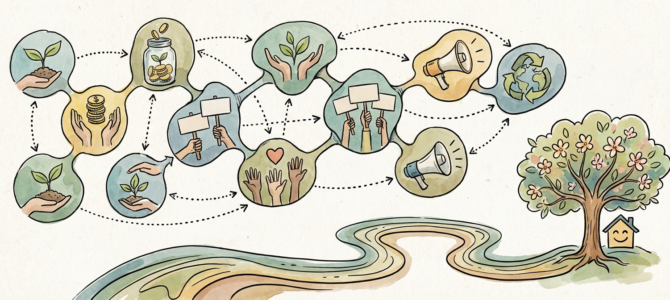
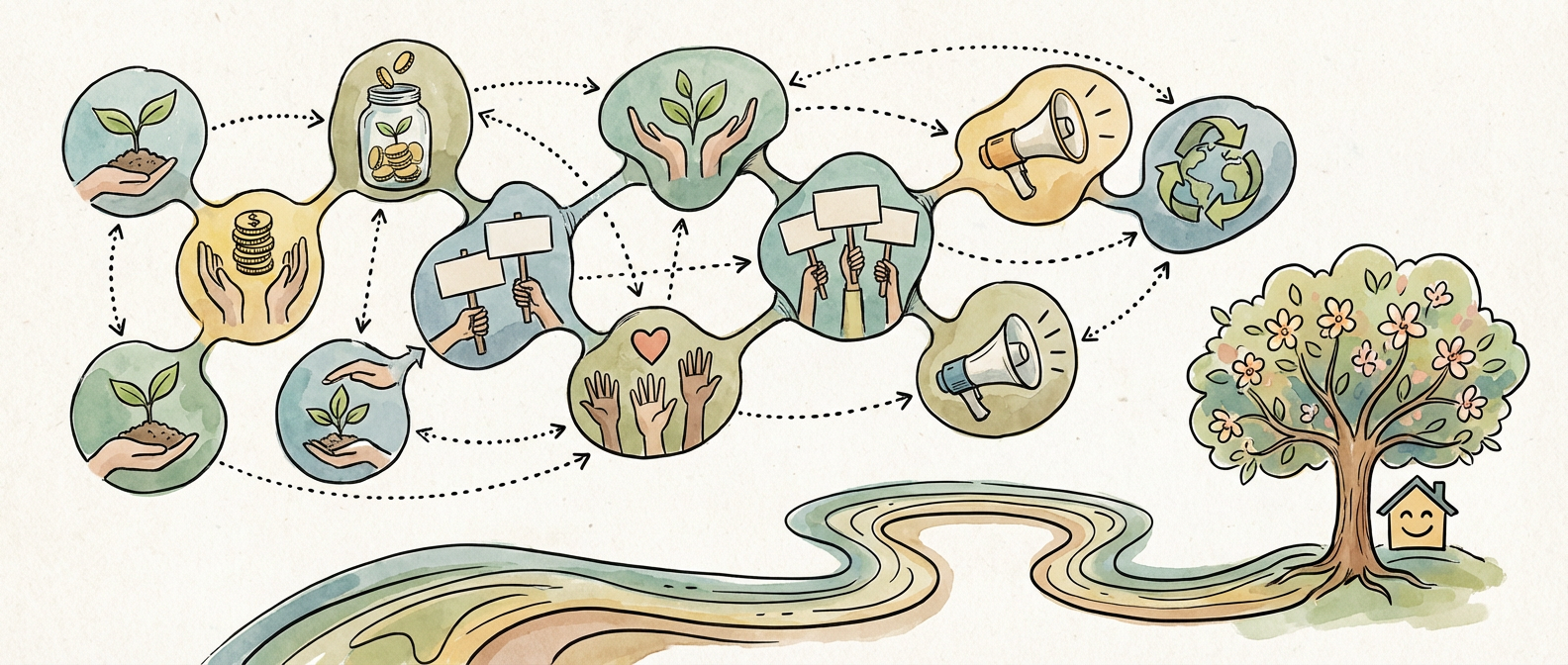
This is the weird thing about grassroots fundraising. You’re not just trying to raise money. You’re building a movement. Every $25 donation is a relationship, a conversation starter, a potential volunteer. Once you get this, everything about campaign strategy changes. You stop chasing the big check and start building the big network.

The Infrastructure of Small-Dollar Success: Beyond the Ask
Let’s get practical about what successful grassroots fundraising actually looks like, because it’s more sophisticated than just blasting out emails asking for money. The campaigns that nail small-dollar fundraising treat it like community organizing, not like a bank transaction. They start with relationships, not with the ask.
The best grassroots fundraisers I’ve watched follow what I call the 70-20-10 rule. Seventy percent of their outreach gives value without asking for anything. They share useful information about local issues, explain complicated policy stuff in normal language, or highlight community members doing important work. Twenty percent builds deeper engagement through events, volunteer opportunities, or educational forums. Only 10 percent directly asks for money.
This works because it recognizes something basic about human psychology: people don’t donate to campaigns, they donate to causes they believe in and candidates they trust. That trust develops through consistent, valuable interaction over time. When you finally ask for money, you’re not interrupting a relationship to hit them up for cash. You’re offering someone who already cares about your mission a concrete way to help something they’re already invested in.
The tech side matters too, but it’s simpler than you might think. A basic email platform like Mailchimp or Constant Contact, a simple website with an integrated donation processor like ActBlue or PayPal, and a spreadsheet for tracking donor relationships will handle 90 percent of what most local campaigns need. The secret isn’t having the fanciest technology. It’s using whatever tech you have to create real human connections.
The Counter-Argument: Why Big Money Skeptics Have a Point
Now, I need to be honest about something. Critics of small-dollar fundraising make some valid points that those of us who believe in grassroots democracy need to address. The most compelling criticism is about scale and speed. In a political world where media costs keep rising and campaign cycles keep getting shorter, there’s a real question about whether small-dollar fundraising can generate resources quickly enough to compete effectively.
I’ve seen good candidates lose winnable races because they couldn’t raise money fast enough to respond to last-minute attack ads or jump on unexpected opportunities. When your opponent writes a $50,000 check to flood the airwaves in the final week, your network of $25 donors might not be able to respond in time, even if they’re more committed to your cause. This is a real limitation, and pretending otherwise doesn’t help anyone.
There’s also the time cost. Building genuine relationships with hundreds or thousands of small-dollar donors takes enormous amounts of time and energy. Phone calls, personal emails, community coffee hours, individual thank-you notes. It all adds up. For candidates who are already working full-time jobs while running for office, this can be overwhelming. Sometimes taking a few large donations from committed supporters makes more strategic sense than spending 20 hours a week on donor cultivation.
The critics also point out that small-dollar donors aren’t automatically more virtuous than large donors. They can be just as susceptible to emotional appeals, partisan messaging, and single-issue thinking. A grassroots donor who gives $50 because of an inflammatory Facebook post might not be more informed or civic-minded than a business owner who writes a larger check after carefully researching a candidate’s policy positions.
The Synthesis: Building Sustainable Political Power
Here’s where I land after thinking through both sides: the most effective campaigns combine small-dollar grassroots fundraising with strategic larger donations, but they do it in a way that preserves the democratic character of the grassroots approach. The key is maintaining what I call “proportional influence.” Large donors shouldn’t have outsized access or influence over campaign decisions compared to the broader base of supporters.
Practically, this means setting clear policies about donor communication and access. Everyone who donates above a certain threshold gets a thank-you call from the candidate, regardless of donation size. Policy discussions happen in public forums where all supporters can participate, not in private dinners for major donors. The campaign’s messaging and priorities reflect the values and concerns of the broader supporter base, not just the preferences of the largest contributors.
This approach also requires being strategic about timing. Use larger donations to establish basic campaign infrastructure and early credibility. Use small-dollar fundraising to build momentum and demonstrate broad support. Use the combination to sustain operations and respond to unexpected challenges. Each funding source has a different strategic purpose, but the grassroots base remains the foundation.
The most successful campaigns I’ve watched also use their fundraising as a feedback mechanism. They pay attention to which messages generate the strongest small-dollar response, which events attract the most new donors, and which issues motivate people to contribute. This creates a democratic feedback loop where the campaign’s direction gets influenced by the demonstrated priorities of its supporter base, not just the strategic instincts of its leadership.
Making Your Contribution Count: A Practical Guide
Whether you’re running a campaign or supporting one, here are the specific strategies that maximize the impact of grassroots fundraising. For supporters, consider making your contributions early in the campaign cycle when they have the most strategic value. A $25 donation six months before an election can be worth more than a $100 donation in the final week, because early money allows campaigns to plan, build infrastructure, and demonstrate viability to other potential supporters.
Think beyond just writing checks. Offer to host a small house party for friends and neighbors. Share fundraising appeals on social media with personal endorsements. Volunteer for phone banks specifically focused on donor outreach. These activities multiply the impact of your financial contribution by helping to expand the campaign’s network of supporters.
For candidates and campaign managers, focus on building what I call a “ladder of engagement.” Start by offering people low-commitment ways to stay informed and involved. Gradually invite deeper participation through volunteering, event attendance, and financial support. Track which approaches successfully move people up this ladder, and invest more resources in the strategies that work.
Most importantly, close the feedback loop with your donors. Send regular updates on how contributions are being used. Share specific examples of how financial support translated into concrete campaign activities. Invite donors to campaign events and strategy discussions. Make them feel like partners in the effort, not just sources of funding.
Democracy works best when more people participate, and effective grassroots fundraising creates pathways for meaningful participation beyond just voting. It builds the kinds of ongoing civic relationships that strengthen communities long after any individual campaign ends. That’s why, even with the legitimate challenges and limitations, I remain convinced that small-dollar grassroots fundraising is one of our most powerful tools for building the kind of political system we actually want to live in.
What’s your experience with grassroots political giving, either as a donor or a candidate? I’d love to hear your stories about campaigns that got this right, or challenges you’ve faced in building sustainable small-dollar fundraising programs.